
Valuation of buildings
Gesvalt Sociedad de Tasación, S.A. · Sociedad de tasación homologada por el Banco de España, nº de inscripción 4455.
Verificar en el Registro del Banco de España
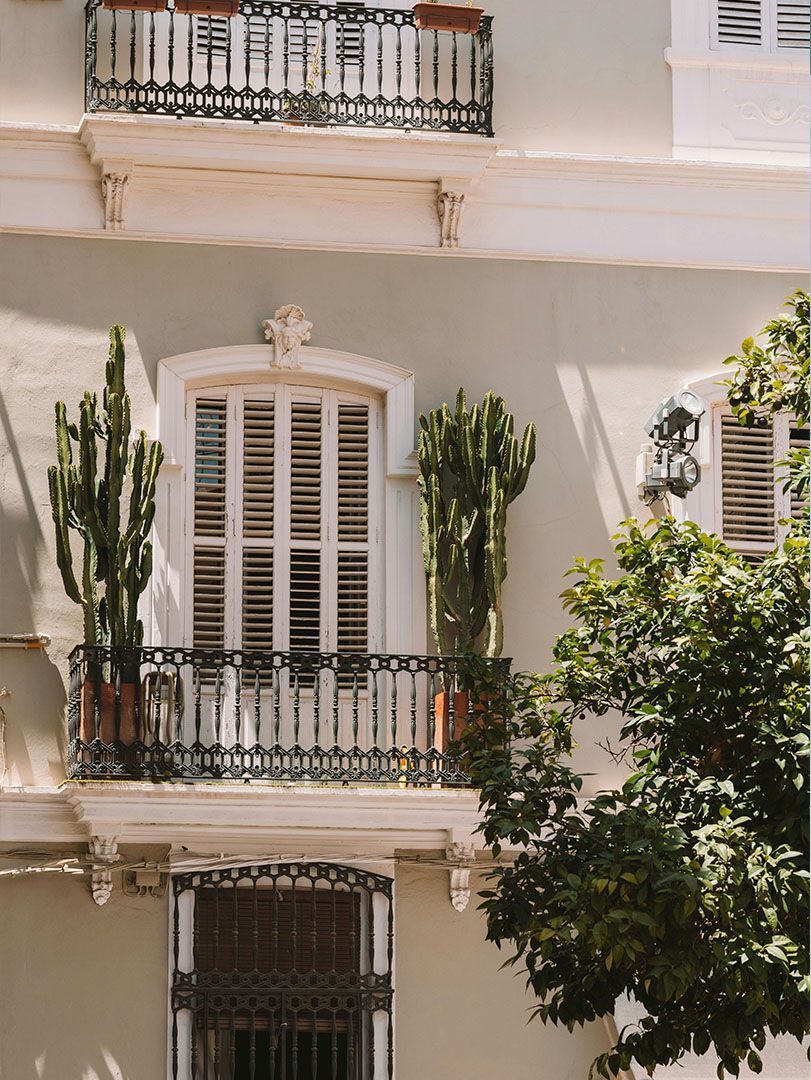
La tasación de un edificio es un informe técnico, elaborado por un tasador profesional, que determina el valor de mercado del edificio completo (viviendas, locales, oficinas, garajes y zonas comunes) conforme a la Orden ECO/805/2003 y a los estándares internacionales de valoración (IVS). Se necesita para compraventas, hipotecas, herencias, separaciones, operaciones societarias, fiscalidad y seguros.
Carry out the valuation of your building with Gesvalt quickly and securely in our online shop and obtain a report approved by the Bank of Spain, valid for any purpose and bank.
Why appraise a building with Gesvalt?
Somos una compañía líder en la tasación de edificios y otros inmuebles, homologada por el Banco de España. Llevamos más de 30 años realizando informes de tasación oficiales para cualquier finalidad y válidos ante cualquier entidad bancaria.
Independent appraiser approved by the Bank of Spain.
More than 30 years of experience.
Reports valid for any banking institution.
A team of more than 250 experts and 800 field technicians.
National and international coverage.
Sociedad de tasación homologada por el Banco de España, nº de inscripción 4455.
Verificar en el Registro del Banco de España
Certificada ISO 9001 y miembro de la Asociación Española de Análisis de Valor (AEV).
¿Para qué sirve la tasación de un edificio?
| Purpose | Para qué se utiliza | Further information |
|---|---|---|
| Hipoteca o refinanciación | El banco exige una tasación de sociedad homologada para fijar el importe del préstamo. | Tasación hipotecaria → |
| Buying and selling | Fija un precio objetivo para comprador y vendedor. | Tasación para compraventa de inmuebles → |
| Inheritances: | Reparte el patrimonio de forma equitativa entre herederos. | Tasación para herencias → |
| Separation or divorce | Valora el edificio dentro de la liquidación de bienes. | Valoración de bienes en divorcio o separación → |
| Empresa, fiscalidad, seguros y juicios | Aportaciones a sociedades y balances, valor ante Hacienda, valor de reposición a asegurar y prueba en litigios o expropiaciones. | — |
Documentation required to value a building
Any building:
- Nota simple updated with a maximum of 3 months from the date of issue.
- Up-to-date cadastral documentation no older than 3 months.
- Building plans (recommended)
- Community statutes
- Energy Efficiency Certificate (EEC) for mortgage guarantee purposes.
- ITE o IEE, si existen.
Buildings in rental and/or commercial activity:
- Lease agreement.
- Last rent receipt paid.
- Activity licence
Buildings in rental and/or commercial activity:
- Lease agreement.
- Last rent receipt paid.
- Activity licence
Get your valuation online in 4 steps
1
Send us your details to make the budget
2
After contracting we visit your property
3
We carry out the appraisal
4
Receive your official valuation report
Cómo se valora un edificio: métodos de tasación
Normativa: Orden ECO/805/2003 (BOE) →
| Método | En qué consiste | Cuándo se aplica |
|---|---|---|
| Comparación | Se compara el edificio, o sus unidades, con inmuebles similares vendidos u ofertados en la zona. | Cuando hay testigos suficientes: viviendas, locales, garajes y trasteros. |
| Actualización de rentas | Estima el valor a partir de las rentas netas que genera o podría generar el edificio. | Edificios alquilados, de inversión o de uso terciario. |
| Coste (reposición) | Suma el valor del suelo y el coste de construir de nuevo el edificio, descontando su depreciación. | Edificios singulares, con pocos comparables o en construcción. |
| Residual | Calcula cuánto podría pagar un promotor por el edificio o el solar, restando los costes al valor de venta de lo que se podría construir. | Edificios para rehabilitar o reconstruir, o con edificabilidad sin agotar. |
What factors influence the valuation of buildings?
In the valuation of buildings, there are certain factors that are taken into account and can directly affect their value:
Location of the building
Geographical location is key in any property valuation. Central areas, with good communication and access to services such as transport, hospitals or schools, can increase the value of the appraisal.
2. Area, layout and orientation
Se valora tanto la superficie del inmueble, así como la distribución interna del espacio. La tasación de edificios más amplios y bien organizados suele ser más favorable and su composición by usos (viviendas, locales, offices, garajes and trasteros). La valuation distingue entre superficie útil, construida and construida con la parte proporcional from elementos comunes.
3. Age and state of preservation
The age of the building, its structural and maintenance condition directly affect its valuation. New or refurbished buildings are more valuable than those requiring renovation.
La ITE o el IEE informan of the estado real del edificio: si recogen deficiencias graves, el tasador puede aplicar un ajuste a la baja.
4. Planning regulations and land use
The planning regulations determine the permitted use of the building (residential, commercial, industrial), its buildability and whether it can be legalised.
The buildings protegidos, fuera de ordenación or at zonas pendientes from recalificación requieren un analysis urbanístico específico.
5. Construction quality
The quality of materials, finishes and installations (electricity, air conditioning, lifts, insulation) also influence the appraised value.
6. Energy efficiency
Energy certification is mandatory in many cases. An efficient building reduces costs and improves your rating.
From 2025 (Orden ECM/599/2025), la Orden ECO/805/2003 incorpora un principio de sustainability: la valuation tiene at cuenta the riesgos medioambientales and climáticos that puedan afectar al inmueble
7. Use and occupation
The use to which the building is to be put also influences the valuation of the building. If the property is rented, its value can be calculated on the basis of the rent it generates. On the other hand, if it is illegally occupied, this can significantly reduce its value.
Tipos de edificio que tasamos y qué se analiza en cada uno
Type of building
One of the first elements to be analysed is the use or type of the building, as it directly influences its valuation:
- Residential: single-family houses, blocks of flats, etc.
- Offices: property intended for business or administrative use.
- Commercial: premises, shopping centres.
- Industrial: halls and complexes for productive activities.
- Mixed: buildings that combine different uses, such as commercial ground floor and residential upper floors.
Each typology has different profitability criteria, urban planning regulations and market demand, which affects their valuation.

Number of plants and units
The number of plants and the number of independent units (housing, offices, premises) that make up the building have an impact on its value.
- Buildings with a higher number of units tend to have higher earning potential.
- The presence of common facilities such as lifts, garages, storage rooms or green areas may increase the valuation.
State of conservation
The physical condition of the building is another key factor, assessing whether the building needs structural reforms, façade refurbishment or improvements to electrical or plumbing installations.
Location
The geographical location is one of the most important factors in the valuation. Neighbourhoods or areas with good connections, public services, shops and security tend to increase the value. Urban planning and the degree of consolidation of the area are also taken into account.
Profitability or intended use
In buildings intended for rental or investment purposes, the analysis of their potential profitability:
- The value can be based on the income capitalisation method, calculating the expected net income.
- Factors such as existing leases, occupancy and vacancy, length of leases and type of tenants are considered.
- The projection of the market for future uses, such as conversions or refurbishment for another more profitable use, is also assessed.
How much does it cost to value a building?
The cost of valuing a building varies according to its size, location and complexity. In addition to the location, other factors such as the total floor area or the type of construction (residential, commercial or industrial) can directly influence the price of the valuation.
Gesvalt offers personalised quotations without obligation.
Customer reviews
"Over 75,000 valuations a year – an organisation accredited by the Bank of Spain".


 Trustindex verifies that the original source of the review is Google.
 Trustindex verifies that the original source of the review is Google.
 Trustindex verifies that the original source of the review is Google.
 Trustindex verifies that the original source of the review is Google.
 Trustindex verifies that the original source of the review is Google.
 Trustindex verifies that the original source of the review is Google.
 Trustindex verifies that the original source of the review is Google.
 Trustindex verifies that the original source of the review is Google.
 Trustindex verifies that the original source of the review is Google.
 Trustindex verifies that the original source of the review is Google.
Request a quote for your valuation
Frequently asked questions building valuation
What documentation is needed to value a building?
What documentation is needed to value a building?
Nota simple y documentation catastral actualizadas (máximo 3 meses) y, según on caso, planos, estatutos de la comunidad, contratos from arrendamiento or proyecto technician; si the finalidad is mortgage, también el CEE.
Does the appraisal work for banking operations?
Does the appraisal work for banking operations?
Yes, the official appraisal is compulsory when applying for mortgages or refinancing, and must be carried out by a company approved by the Bank of Spain.
How long does the process take?
How long does the process take?
The process of valuing a building usually takes between 8 and 10 working days from the time of the technician's visit and the delivery of all the required documentation.
Is access to all units in the building necessary?
Is access to all units in the building necessary?
Yes, for a complete and reliable valuation it is necessary to have access to all the dwellings, premises or spaces in the building to be valued. Otherwise, the valuation could be issued with certain exceptions and only for certain purposes.
How much does it cost to value a building?
¿Quién puede tasar un edificio?
¿Qué métodos se utilizan para valorar un edificio?
¿Se puede tasar un edificio online?
¿Se puede tasar un edificio en construcción, en rehabilitación o en proyecto?
¿Qué diferencia hay entre tasación y valoración de un edificio?
¿Cómo influyen la ITE o el IEE en la tasación de un edificio?
¿Cuánto tiempo es válida la tasación de un edificio?
Other services
Do you need an official valuation for a mortgage guarantee, for a distribution of assets or simply to know the value of your property?
Select the type of property and obtain in a few steps your official report valid for any purpose and bank.